

China ban on some textbooks seen aimed at Uighur culture
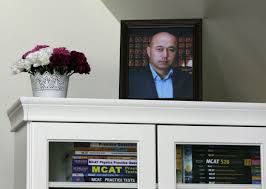
For 15 years, Yalqun Rozi skillfully navigated state bureaucracies to publish textbooks that taught classic poems and folk tales to millions of his fellow minority Uighurs in China’s far western region of Xinjiang.That all changed three years ago when the ruling Communist Party launched what it says is a campaign against ethnic separatism and religious extremism in Xinjiang. Suddenly even respected public figures like Rozi were being arrested, caught up in a crackdown that critics have said amounts to cultural genocide.An estimated 1 million Uighurs have since been detained in internment camps and prisons across the region, and advocacy groups say that includes more than 400 prominent academics, writers, performers and artists. Critics say the government is targeting intellectuals as a way to dilute, or even erase, the Uighur culture, language and identity.After being taken away by police in 2016, Rozi, 54, was sentenced to more than a decade in prison on charges of incitement to subvert state power.As one of the first prominent people to be detained, Rozi’s story illustrates how even Uighurs who toed the party line and were accepted by the government have been rebranded enemies of the state amid the widening campaign of surveillance and detention underway in Xinjiang.”He had many friends among government officials. He was able to use his connections to sell his books,” said Abduweli Ayup, a linguist who knew Rozi through a Uighur bookstore Ayup once ran. “Those books sold very well.” China’s 11 million Uighurs are culturally, linguistically and religiously distinct from the country’s overwhelmingly ethnic Han majority, who have increasingly migrated to the resource-rich region and occupy most of the well-paid jobs and powerful government positions. Uighurs speak a Turkic language and many are practicing Muslims.For decades, Uighur intellectuals maneuvered carefully, working to advance their culture while avoiding being tarred as separatists or extremists. They thrived even as the government periodically relaxed and tightened its grip on the region. Rozi’s friends, family, and former classmates describe him as sharp, disciplined and very careful, standing out for his political and business savvy. As a college student in the 1980s, he stayed away from the pro-democracy movements that were roiling China and avoided socializing with known activists.